
FLEXIBILITY
NO MOQ
Prototype and scale seamlessly without volume commitments or setup barriers.
Unionfab, a China-based metal casting company, combines 3D printed patterns, sand molds, cores, investment casting routes, CNC machining, and finishing to deliver metal cast parts faster than traditional tooling-based casting.

STEP | STP | IGS | DWG | DXF | PDF Files and More
Get Rapid Metal Casting Quote No MOQ • ISO 27001 Certified • Free DFM Analysis






FLEXIBILITY
Prototype and scale seamlessly without volume commitments or setup barriers.
FACTORY AREA
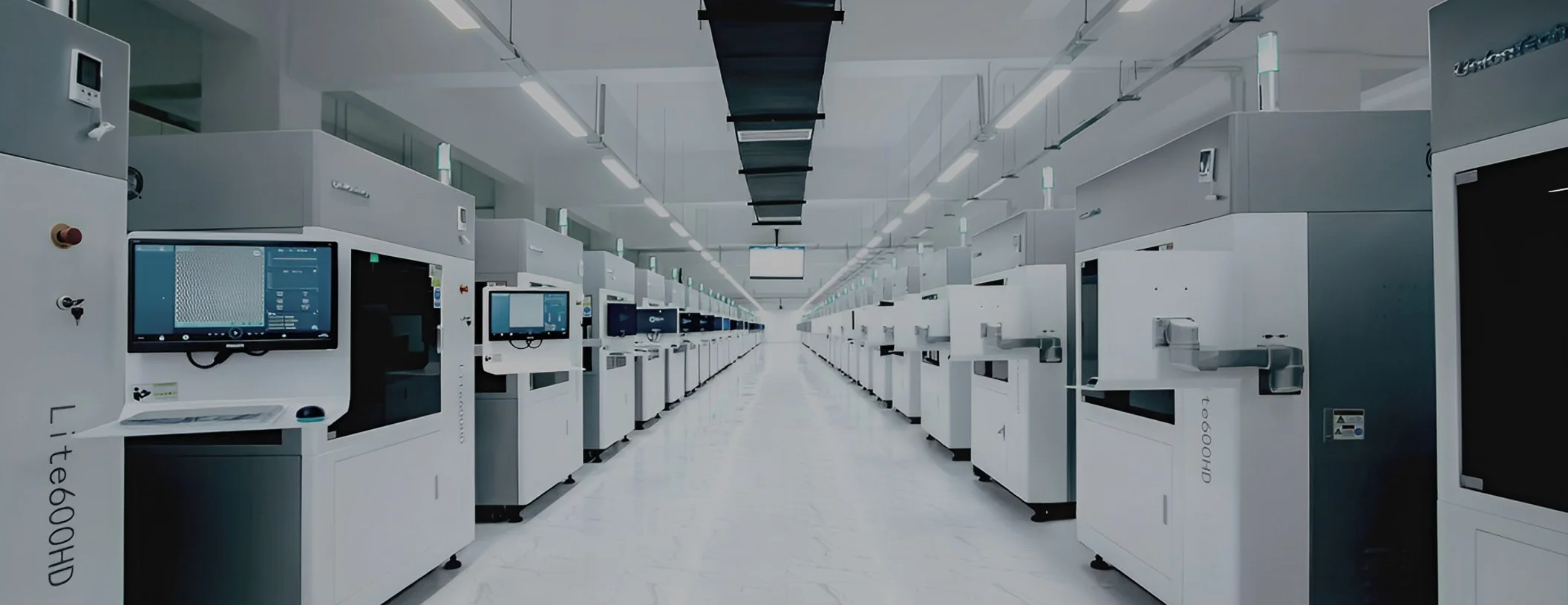
The combined area of all Unionfab facilities totals 80,000m²
LEAD TIME
Fast-turn production with simple parts ready in as fast as 2 DAYS.
CERTIFIED
ISO 9001, 14001, 13485 & IATF 16949 certified with NDA-secured manufacturing workflows.
Bypass lengthy tooling phases with 3D-printed mold patterns. By combining SLA and 3D sand printing with rapid casting, we deliver sand castings in 1-3 weeks and investment castings in 2-4 weeks. Accelerate your time-to-market.
The ultimate cost-effective solution for batches of 1 to 500. Avoid unamortized tooling costs and premium CNC fees. We deliver maximum ROI for your small-batch production runs.
Break free from CNC toolpath limits and traditional draft angles. Seamlessly produce complex near-net parts, intricate internal cooling channels, and lightweight lattices directly from your CAD design.
Stop juggling multiple vendors. We integrate Rapid Casting, CNC machining, and Metal 3D Printing to intelligently match the optimal process for your specific material, geometry, and volume.
Choose the right casting route based on part size, geometry, tolerance requirements, quantity, and production intent.
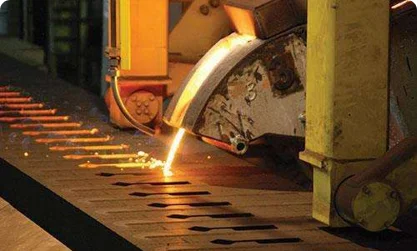
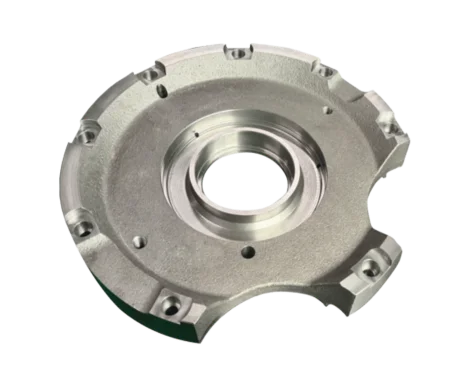
For large functional metal parts where CNC from billet is too expensive.


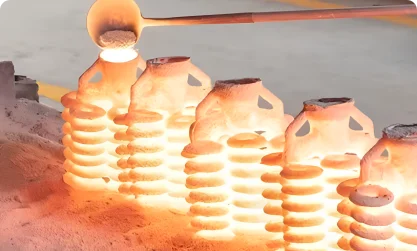
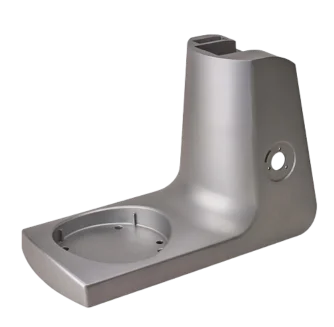
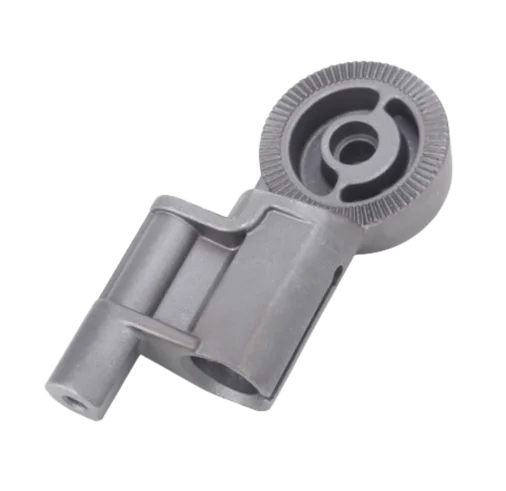
For smaller metal parts with complex shapes, thin walls, fine details, or better surface needs.
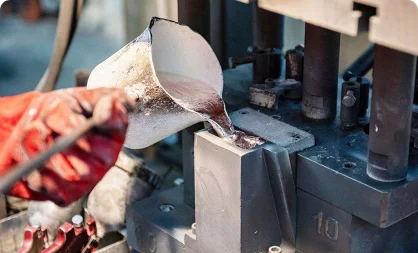
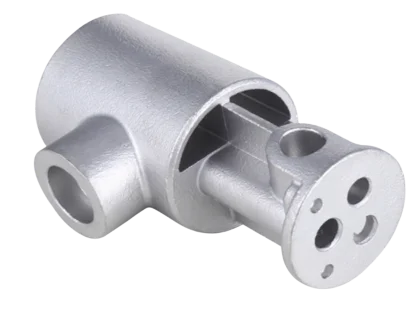
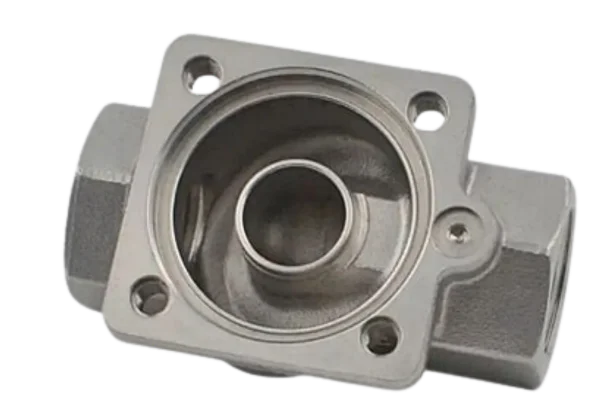
For stable thin-wall metal parts with growing or repeat demand.
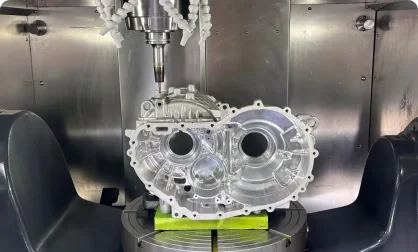
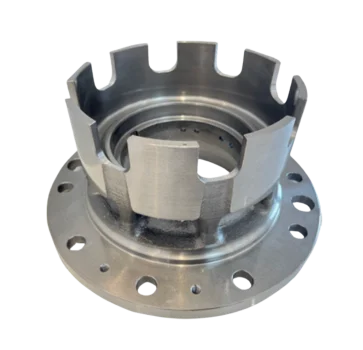
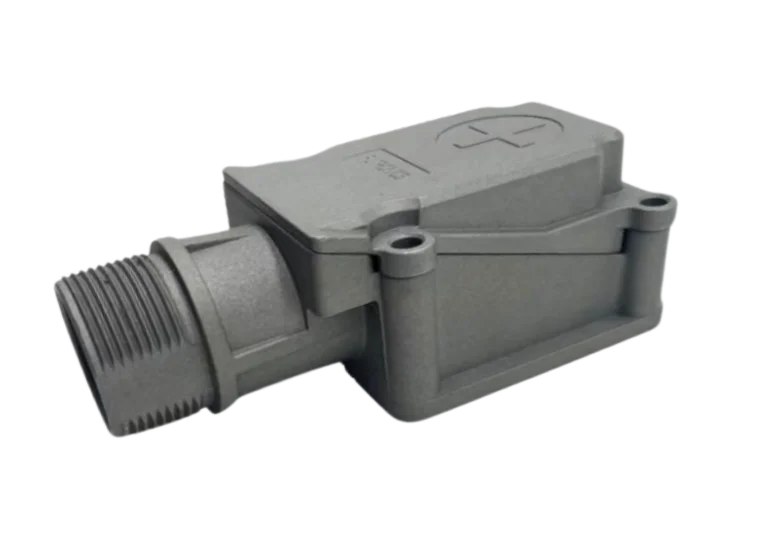
A hybrid route for parts that need cast geometry and machined accuracy in key functional areas.
/(machined)*For surface finish, more stars mean better as-cast quality. For tooling cost, more stars mean higher upfront cost.
.Different casting routes fit different metal families. Start with material compatibility first, then choose the route by part size, geometry, quantity, tolerance, and timeline.
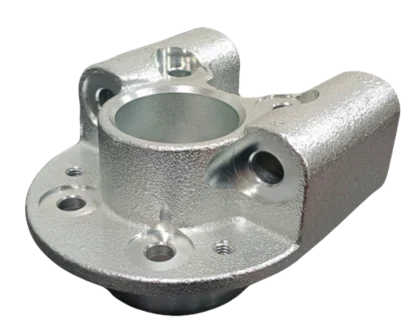
Best for functional castings where size, structure, and cost matter more than fine surface detail.
Best user signal:large size + functional structure + cost sensitivity.
Less ideal for:Small stainless precision parts, thin-wall aluminum, or high-detail surfaces.
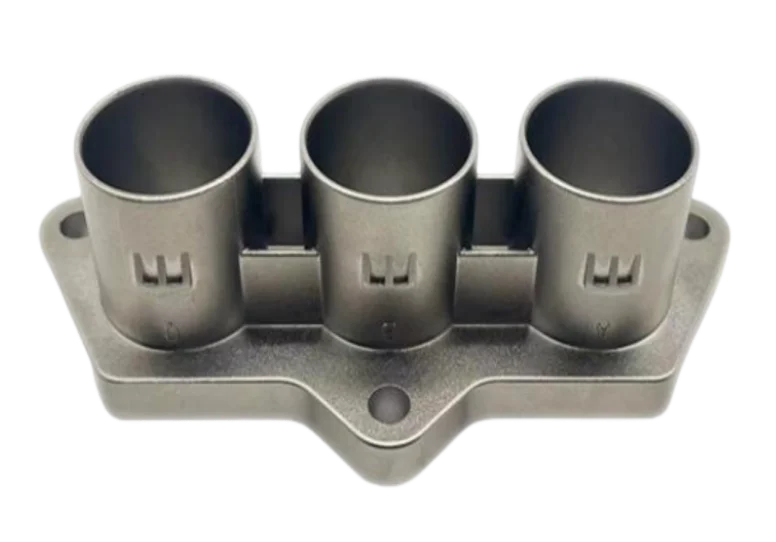
Values below are for early route selection only. As-cast tolerance, surface finish, size range, and minimum wall thickness all depend on alloy, geometry, casting orientation, and post-machining requirements.
| Rapid Sand Casting | Rapid Investment Casting | Die Casting | |
|---|---|---|---|
| As-Cast Tolerance / Surface | ±0.5–1.5 mm / Ra 6.3–25 μm. Typical as-cast reference for functional blanks. | ±0.1–0.3 mm / Ra 1.6–6.3 μm. Typical as-cast reference for smaller detailed parts. | ±0.1–0.2 mm / Ra 0.8–3.2 μm Typical as-cast reference after stable tooling. |
| ISO 8062 Reference Grade | CT7–CT12 3D-printed mold: CT7–CT9; conventional sand: CT9–CT12. | CT4–CT6 Typical rapid investment casting reference. | CT4–CT6 Typical pressure die casting reference. |
| Typical Size Range | 50–1500 mm Best fit for medium to large castings. | 10–400 mm Best fit for compact parts with fine details. | 10–600 mm Best fit for stable thin-wall non-ferrous parts. |
| Minimum Wall Thickness | Al ≥4 mm / Steel & iron ≥5 mm Thicker walls are preferred for larger structural castings. | ≥1.5 mm Thin walls depend on alloy flow, geometry, and shell design. | Al ≥1.5 mm / Zn ≥0.8 mm Draft, ribs, and gate design affect final wall feasibility. |
Enhance cast metal parts with heat treatment, precision machining, and protective finishing options selected for final performance requirements.
Strengthening internal metallurgy for reliability in extreme environments.
Key Processes:T6 Treatment (Aluminum), Solution Annealing (Stainless Steel), Stress Relief Annealing.
Benefits:Eliminates residual stress while drastically improving yield strength, hardness, and overall component lifespan.
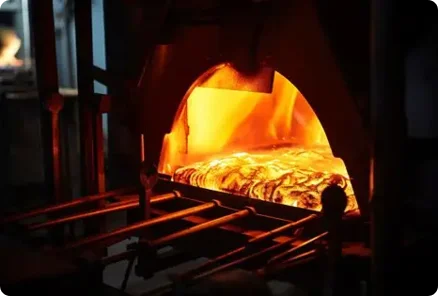
Good casting results start before production. Unionfab reviews geometry, alloy, critical features, and post-processing needs early to plan the right casting route.
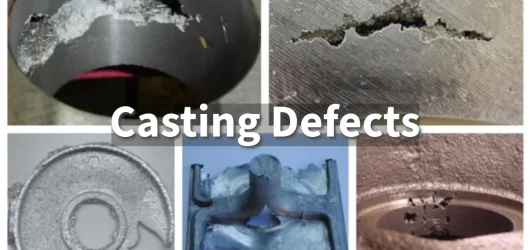
Large wall-thickness changes can increase shrinkage, porosity, distortion, and uneven cooling. Use gradual transitions where possible.
Fillets improve metal flow, reduce stress concentration, and make the part easier to cast and finish.
Use casting for near-net-shape geometry. Mark tight tolerances, flatness, sealing faces, bearing fits, threads, and precision holes for CNC machining.
Thick isolated areas can cool unevenly and increase shrinkage risk. Balance material distribution where possible.
Internal cavities, deep pockets, and undercuts may require cores, special mold design, or another manufacturing route.
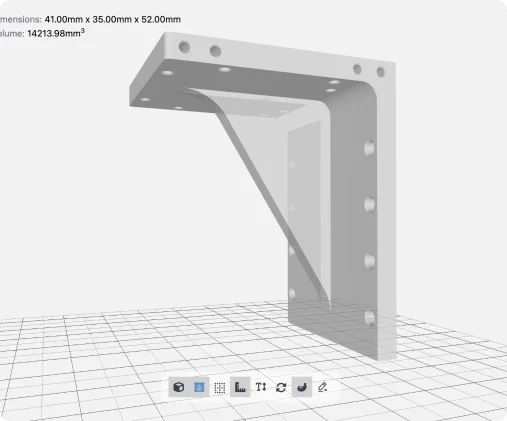
Best For: Medium-to-large metal parts, cast-like geometry, and lower cost for small-to-medium batches.
Watch Out: As-cast tolerance is not CNC tolerance. Machine critical faces if precision is required.
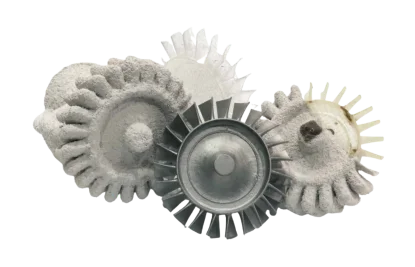
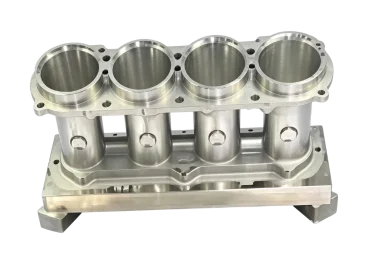
Best For: Tight tolerance, clean interfaces, flat surfaces, threads, bores, or one-off precision parts.
Watch Out: Cost rises fast when most of the billet must be removed.
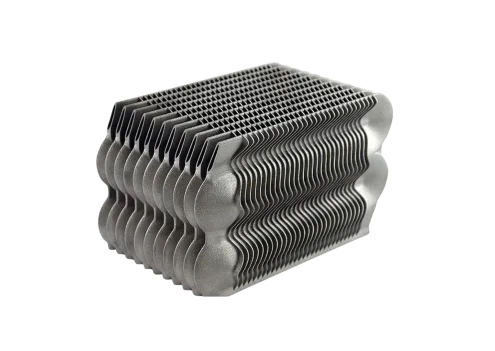
Best For: Internal channels, lattice structures, topology-optimized geometry, or low-volume complex metal parts.
Watch Out: Build size, powder cost, and as-built surface finish can limit suitability.
For more details of the three processes, check out our guide: How to Choose the Best Manufacturing Process for Custom Metal Parts
We adhere to a strict multi-stage inspection protocol to ensure every part meets your exact specifications.
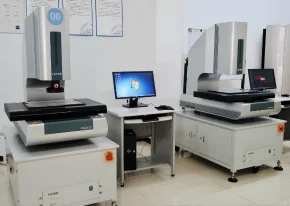
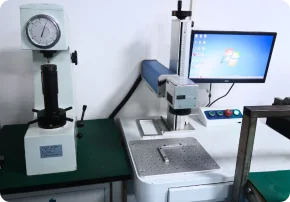
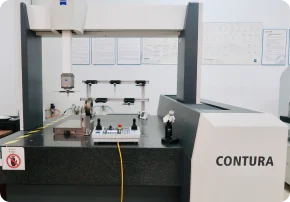
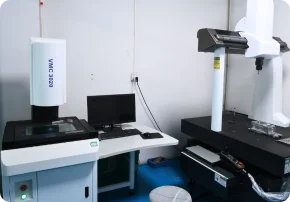
Every order includes a First Article Inspection report (upon request).
We utilize state-of-the-art CMM (Coordinate Measuring Machines), profilometers for surface roughness, and calibrated hand tools.
All material certifications and heat treatment reports are archived and available for audit.
Our quality systems are aligned with international ISO 9001 standards, covering dimensional, geometric (GD&T), and material requirements.
For more details on our quality standards, check out our Inspection Checklist (including both standard and premium options).
Choose rapid metal casting for functional metal parts, complex cast shapes, larger sizes, or low-volume production without traditional tooling. Choose CNC machining for simple geometries, tight tolerances, threads, holes, and precision surfaces. Choose metal 3D printing for highly complex designs, internal channels, lattices, lightweight structures, or very low quantities.
Yes. This is common. Casting creates the near-net-shape metal body, while CNC machining is used for critical dimensions, sealing surfaces, bearing fits, mounting holes, threads, and assembly interfaces.
Casting tolerance depends on process, alloy, part size, geometry, and mold strategy. Tighter tolerances are usually achieved by CNC machining critical features after casting.
A 3D CAD file is usually enough to start a manufacturability review, but a 2D drawing is strongly recommended if the part has critical dimensions, tolerances, threads, surface finish requirements, heat treatment, or inspection requirements.
No MOQ. Rapid metal casting can support prototypes and low-volume production.

Unionfab is China's Largest 3D Printing Manufacturing Company for Rapid Prototyping and On-Demand Production Parts.